
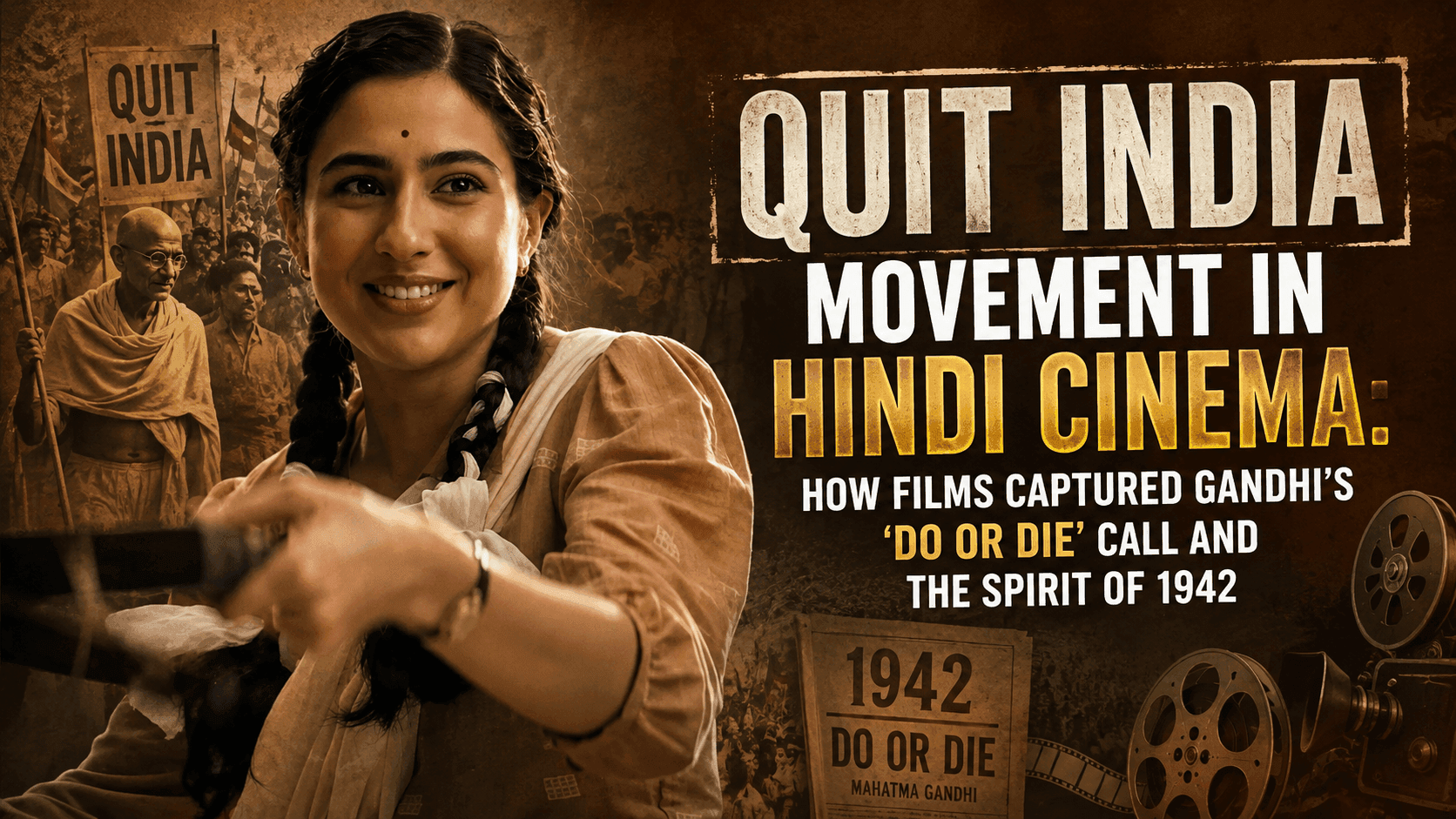
The echoes of Mahatma Gandhi’s powerful “Do or Die” (Karo Ya Maro) call during the Quit India Movement of 1942 have found their way into Indian cinema in different forms. Several films and television projects have attempted to revisit the historic movement, highlighting the courage, sacrifices, and struggles of people who fought against British rule.
On 8 August 1942, the All India Congress Committee passed the Quit India resolution at Bombay’s Gowalia Tank Maidan (now known as August Kranti Maidan). During this historic gathering, Mahatma Gandhi gave the nation the unforgettable message of “Do or Die”, urging Indians to fight for complete independence.
The very next morning, British authorities arrested major leaders of the freedom movement, including Gandhi, Jawaharlal Nehru, Sardar Vallabhbhai Patel, and Maulana Abul Kalam Azad. Although the movement did not immediately force the British to leave India, it became a turning point in the freedom struggle and played a crucial role in shaping the country’s journey towards independence.
Ae Watan Mere Watan Showcased the Underground Congress Radio Movement
One of the notable cinematic portrayals of the Quit India Movement came through ‘Ae Watan Mere Watan’, inspired by the life of freedom fighter Usha Mehta.
During the movement, Usha Mehta secretly operated the Congress Radio, an underground radio station that spread messages of resistance and kept the spirit of freedom alive when British censorship controlled mainstream communication.
Director and writer Kannan Iyer revealed that while researching the film, the team was surprised to discover that such a significant chapter of Indian history had received limited representation in cinema. The film attempted to bring attention to the bravery of young revolutionaries who contributed silently to the independence movement.
Quit India Movement Sequence in Richard Attenborough’s Gandhi
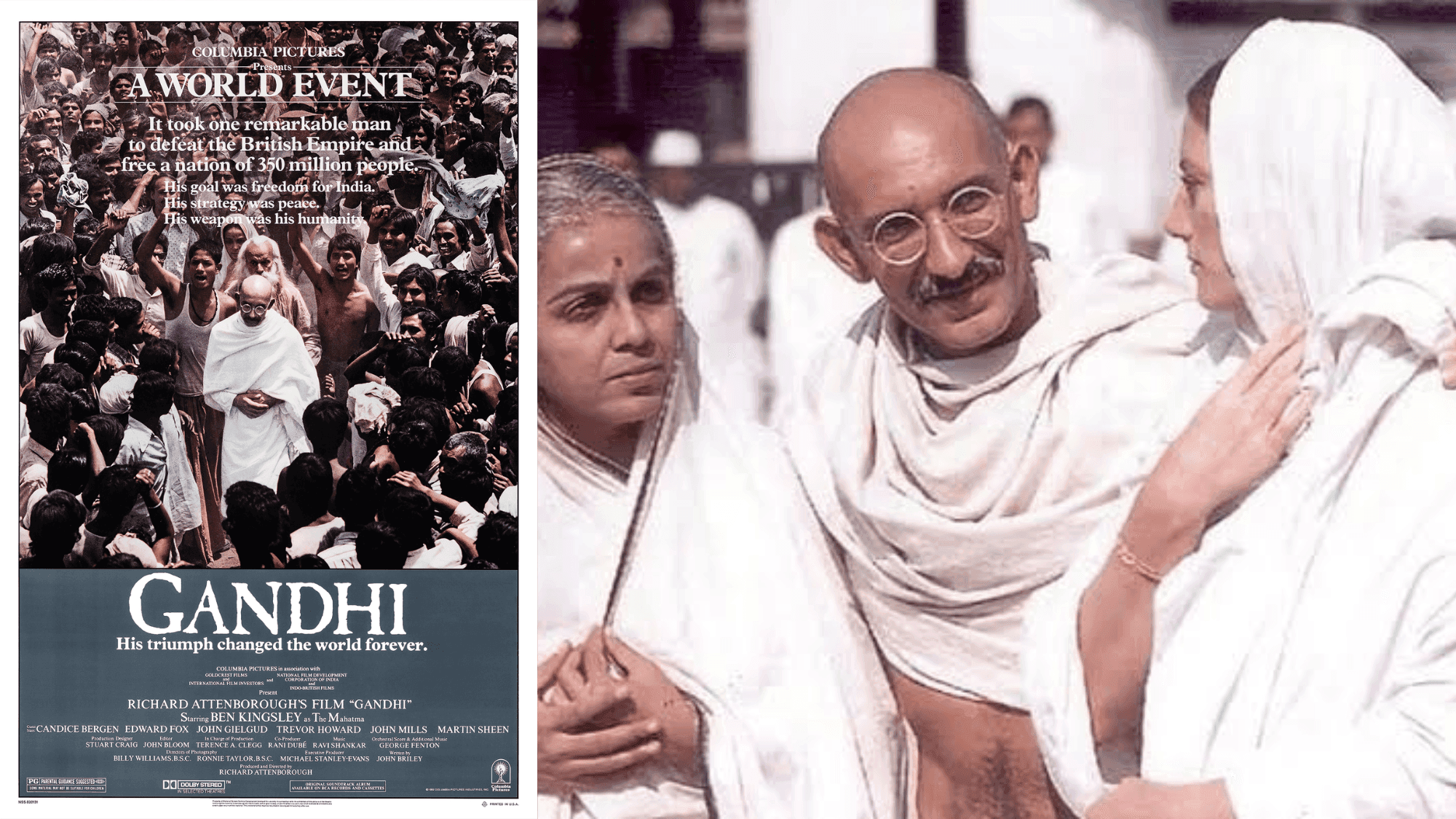
The Oscar-winning film ‘Gandhi’ also captured glimpses of the Quit India Movement. Although the film did not focus entirely on the movement, it recreated the atmosphere of protests and public anger that followed Gandhi’s call for resistance.
The makers recreated scenes showing large gatherings, police action, violence, and chaos in Bombay. Since several photographs from that period were available, the filmmakers were able to bring historical authenticity to the sequences.
The old colonial architecture of South Mumbai helped recreate the atmosphere of the 1940s. The production team used visual effects to remove modern elements and even created a period-style tram to represent the city’s transportation system of that era.
Gandhi My Father Highlighted Gandhi’s Personal Struggle During the Movement
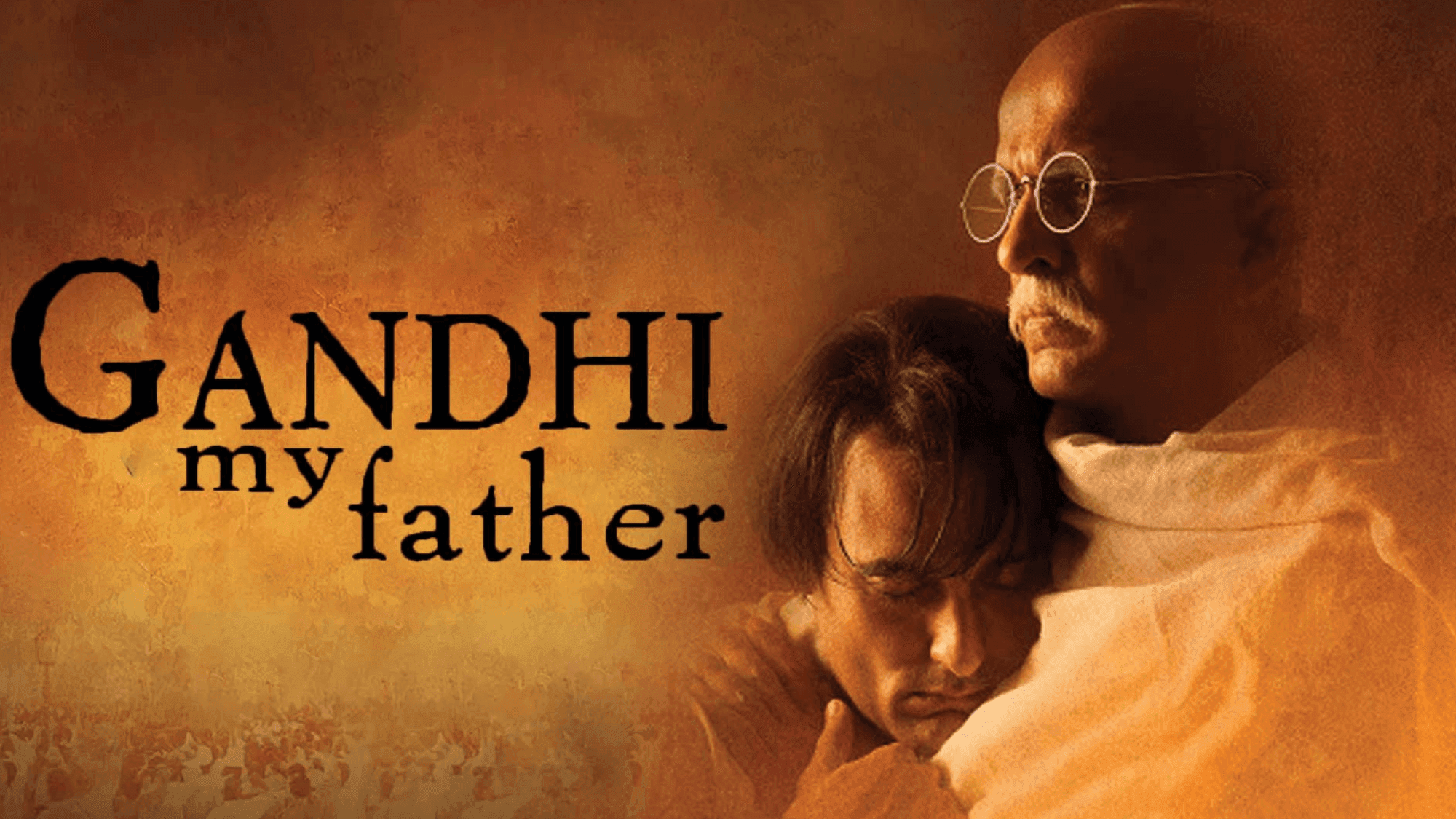
The film ‘Gandhi My Father’ explored the personal and political life of Mahatma Gandhi, including his role during the Quit India Movement.
Actor Darshan Jariwala, who portrayed Gandhi, explained that the film showed the importance of the “Do or Die” moment in Gandhi’s journey. The scene was placed around Gandhi’s relationship with his son Harilal, highlighting the contrast between his personal struggles and his unwavering commitment towards the nation.
The film also depicted Gandhi and Kasturba Gandhi’s imprisonment at the Aga Khan Palace in Pune after the launch of the movement.
Netaji Subhas Chandra Bose Film Mentioned the Impact of Quit India Movement
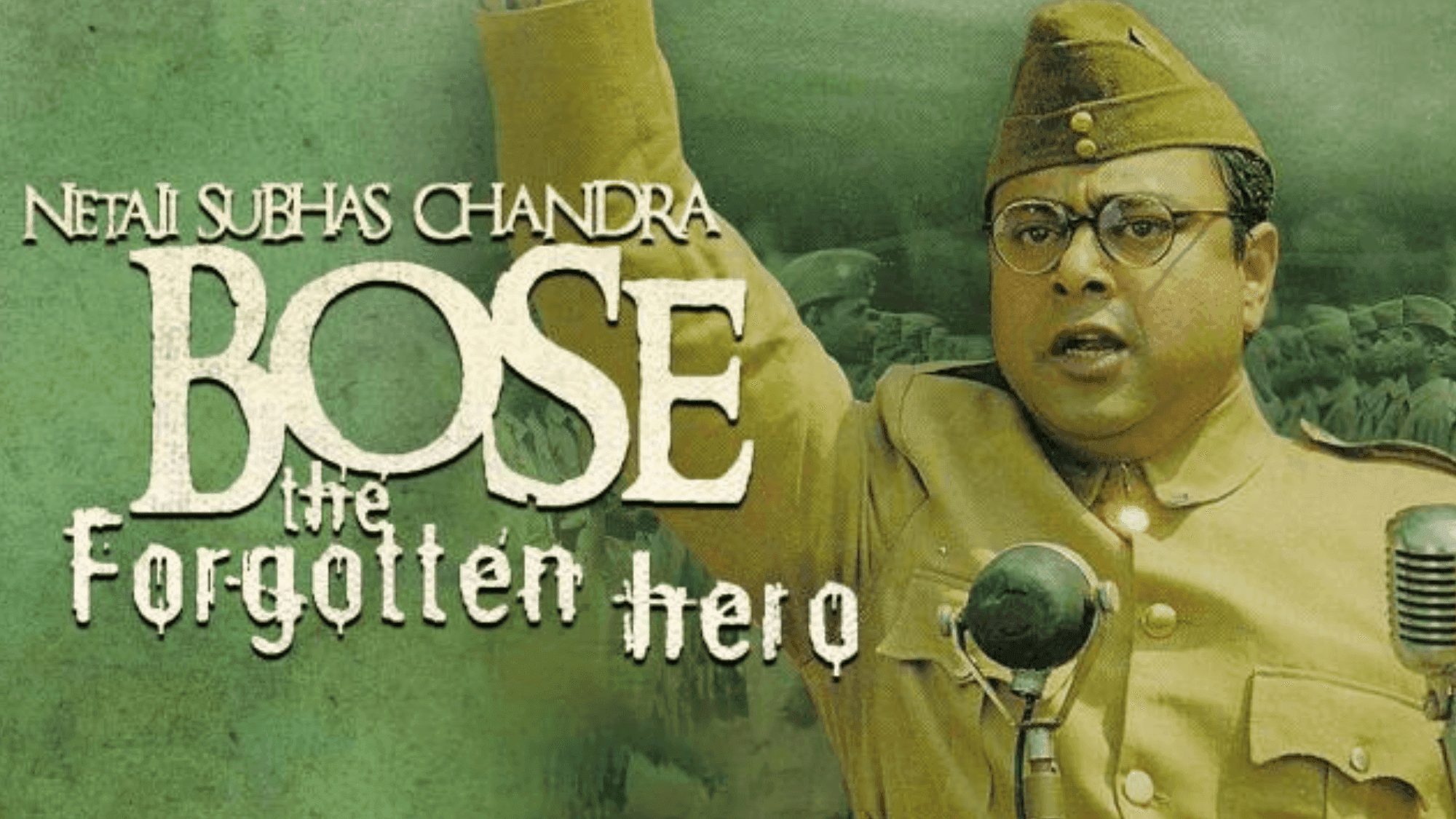
In Shyam Benegal’s ‘Netaji Subhas Chandra Bose: The Forgotten Hero’, the Quit India Movement was briefly referenced.
Writer Atul Tiwari explained that although Subhas Chandra Bose was not directly involved in the 1942 movement, he was deeply encouraged by its impact. Bose reportedly expressed his admiration for Gandhi’s leadership and acknowledged that their goals were becoming closer in the fight against British rule.
Bharat Ek Khoj Showed the Wider Impact of Quit India Movement
The television series ‘Bharat Ek Khoj’, based on Jawaharlal Nehru’s book ‘The Discovery of India’, also explored events connected with the Quit India Movement.
The series highlighted how the movement, which began in Bombay, quickly spread across different parts of the country. Since Gandhi’s message was mainly a call for action rather than a detailed plan, ordinary citizens created their own methods of resistance against British rule.
Also Read- Ramayana Trailer: Ranbir vs Yash Steals Spotlight
Ballia Uprising: When People Created Their Own Administration
One of the most remarkable episodes of the Quit India Movement took place in Ballia, Uttar Pradesh.
Due to heavy rains and floods, Ballia became isolated from surrounding regions. Freedom fighter Chittu Pandey and other revolutionaries used the situation to challenge British authority. They forced local officials to retreat and freed several imprisoned leaders.
On 20 August 1942, a local declaration of independence was made in Ballia, and temporary administrative arrangements were created. However, British forces regained control of the region within days.
The incident created such a strong impact that it was discussed in the British Parliament, where questions were raised about how a part of India had temporarily slipped out of British control.
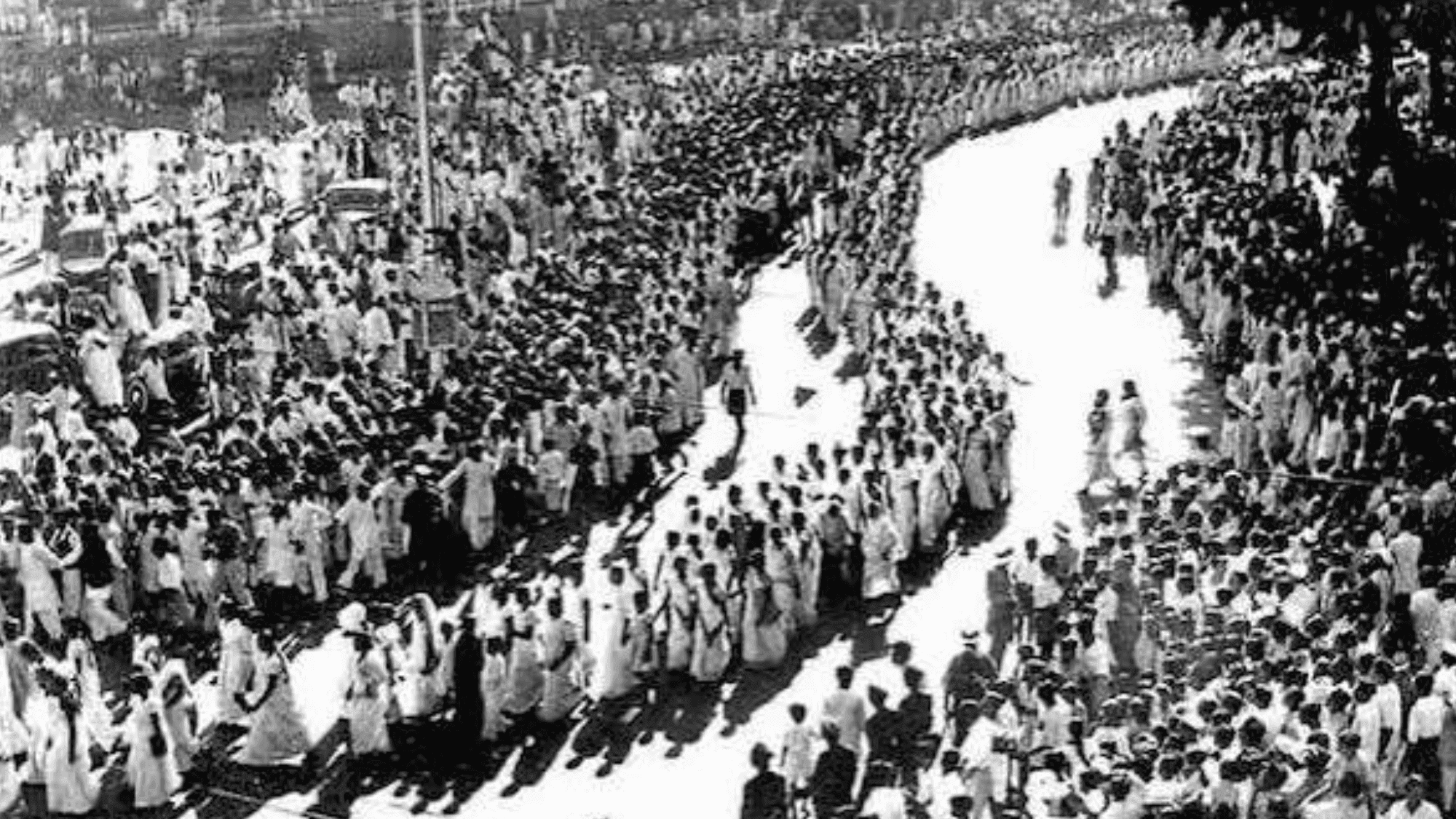
Satara’s Parallel Government Challenged British Rule
Another major chapter of the movement unfolded in Maharashtra’s Satara district, where revolutionary leader Krantisinh Nana Patil established the Prati Sarkar (Parallel Government).
Revolutionaries such as Captain Bhau (Ramchandra Lad) and G.D. Lad played important roles in this underground movement, which challenged British administration for several years.
Cinema Still Has Many Untold Stories From 1942
The Quit India Movement remains one of the most powerful chapters of India’s freedom struggle. While films like ‘Ae Watan Mere Watan’, ‘Gandhi’, ‘Gandhi My Father’, ‘Netaji Subhas Chandra Bose: The Forgotten Hero’, and ‘Bharat Ek Khoj’ have explored different aspects of the movement, many stories of ordinary citizens and regional uprisings are still waiting to be told on screen.
The events of 1942 proved that India’s independence movement was not only led by famous leaders but also by countless unnamed people whose courage shook the foundations of British rule.
Also Read- Batwara 1947 Trailer: Sunny Deol’s Partition Drama Out